
A Complete Guide to Indian Food
From Street Snacks to Royal Feasts Across Every Region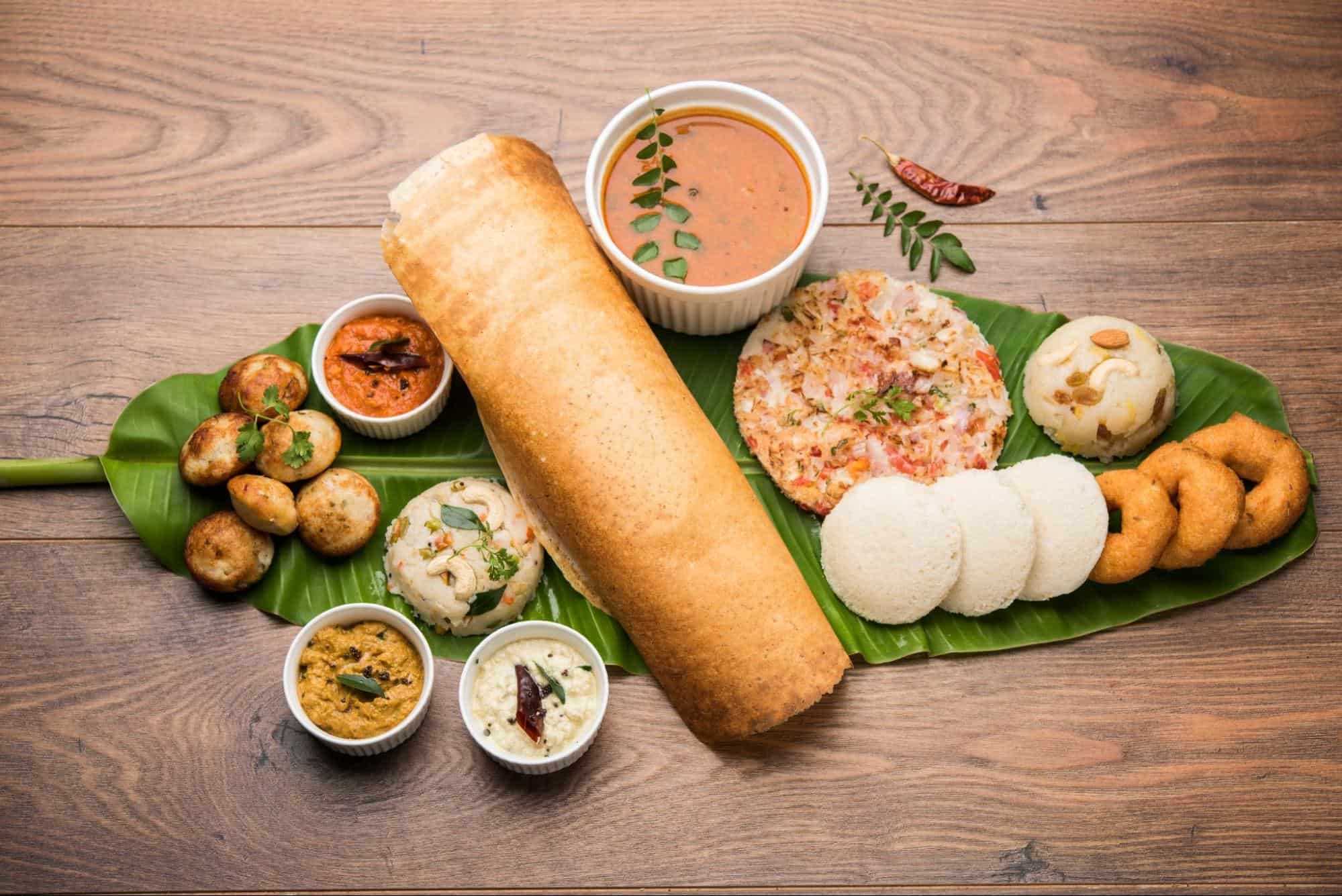
Indian food is more than just a cuisine—it’s a rich tapestry of culture, history, geography, and tradition. Known for its bold flavors, aromatic spices, and diverse cooking styles, Indian cuisine offers something for everyone. Whether you enjoy spicy street food, comforting home-cooked meals, or indulgent desserts, India’s culinary landscape is incredibly vast and deeply satisfying.
In this guide, we’ll explore everything you need to know about Indian food—from regional specialties and essential spices to popular dishes and cooking techniques.
1. The Diversity of Indian Cuisine
India is a large country with diverse climates, cultures, and traditions. This diversity is reflected in its food.
North Indian Cuisine
North Indian food is known for its rich, creamy textures and bold flavors. Wheat-based dishes like naan, roti, and paratha are staples here.
Popular dishes include:
- Butter Chicken
- Paneer Tikka
- Biryani
- Dal Makhani
These dishes often use dairy products like butter, cream, and ghee, giving them a luxurious taste.
South Indian Cuisine
South Indian food is lighter, spicier, and often rice-based. Coconut, curry leaves, and mustard seeds are widely used.
Popular dishes include:
- Dosa
- Idli
- Sambar
- Coconut Chutney
These meals are not only delicious but also considered healthy and easy to digest.
East Indian Cuisine
Eastern India, including West Bengal and Odisha, is famous for its sweets and seafood.
Popular dishes include:
- Fish Curry
- Rasgulla
- Sandesh
- Mishti Doi
Mustard oil and spices like panch phoron are commonly used in this region.
West Indian Cuisine
Western India offers a mix of spicy, sweet, and tangy flavors.
Popular dishes include:
- Dhokla
- Pav Bhaji
- Vada Pav
- Goan Fish Curry
This region includes both vegetarian and seafood-rich cuisines.
2. Essential Indian Spices
Spices are the heart of Indian cooking. They not only add flavor but also provide health benefits.
Common spices include:
- Turmeric (Haldi) – for color and health benefits
- Cumin (Jeera) – earthy flavor
- Coriander (Dhania) – mild and citrusy
- Garam Masala – a blend of warming spices
- Mustard Seeds – used in tempering
The art of balancing spices is what makes Indian food unique.
3. Popular Indian Dishes You Must Try
Indian cuisine offers countless iconic dishes. Here are a few must-try options:
- Biryani – A fragrant rice dish cooked with spices and meat or vegetables
- Butter Chicken – A creamy tomato-based chicken curry
- Chole Bhature – Spicy chickpeas served with fried bread
- Masala Dosa – Crispy rice crepe filled with spiced potatoes
- Rogan Josh – A flavorful lamb curry
- Palak Paneer – Cottage cheese cooked in spinach gravy
4. Indian Street Food Culture
Street food is an essential part of Indian cuisine. It’s affordable, flavorful, and incredibly diverse.
Popular street foods include:
- Pani Puri
- Samosa
- Chaat
- Vada Pav
- Kathi Roll
Each city has its own specialty, making street food a must-experience for anyone exploring India.
5. Indian Breads and Rice
Indian meals are incomplete without bread or rice.
Breads
- Naan
- Roti
- Paratha
- Puri
Rice Dishes
- Steamed Rice
- Jeera Rice
- Biryani
- Pulao
These are often served with curries, dals, and vegetables.
6. Traditional Indian Desserts
Indian desserts are rich, sweet, and often made with milk, sugar, and nuts.
Popular desserts include:
- Gulab Jamun
- Jalebi
- Kheer
- Rasmalai
- Ladoo
These sweets are especially popular during festivals and celebrations.
7. Cooking Techniques in Indian Cuisine
Indian cooking involves a variety of techniques that enhance flavor:
- Tempering (Tadka): Heating spices in oil to release aroma
- Slow Cooking: Allows spices to blend deeply
- Tandoor Cooking: Clay oven cooking for smoky flavor
- Frying and Roasting: Common for snacks and spices
8. Health Benefits of Indian Food
Indian food is not just tasty—it can also be healthy when prepared properly.
Benefits include:
- Use of natural spices with medicinal properties
- Balanced meals with carbs, proteins, and fats
- Inclusion of vegetarian and plant-based dishes
- Use of herbs like ginger, garlic, and turmeric
Conclusion
Indian cuisine is a beautiful blend of tradition, flavor, and innovation. Its diversity ensures that there is always something new to discover, whether it’s a regional specialty or a modern fusion dish.
This complete guide is just the beginning of your journey into Indian food. Whether you're cooking at home or exploring restaurants, embracing Indian cuisine means experiencing one of the richest culinary traditions in the world.